


Practical update: Madoura remains an important part of Vallauris’s artistic history, but the Tourist Office currently lists the site as closed for renovation work. Check its reopening before planning your visit.
Why is Vallauris famous for ceramics?
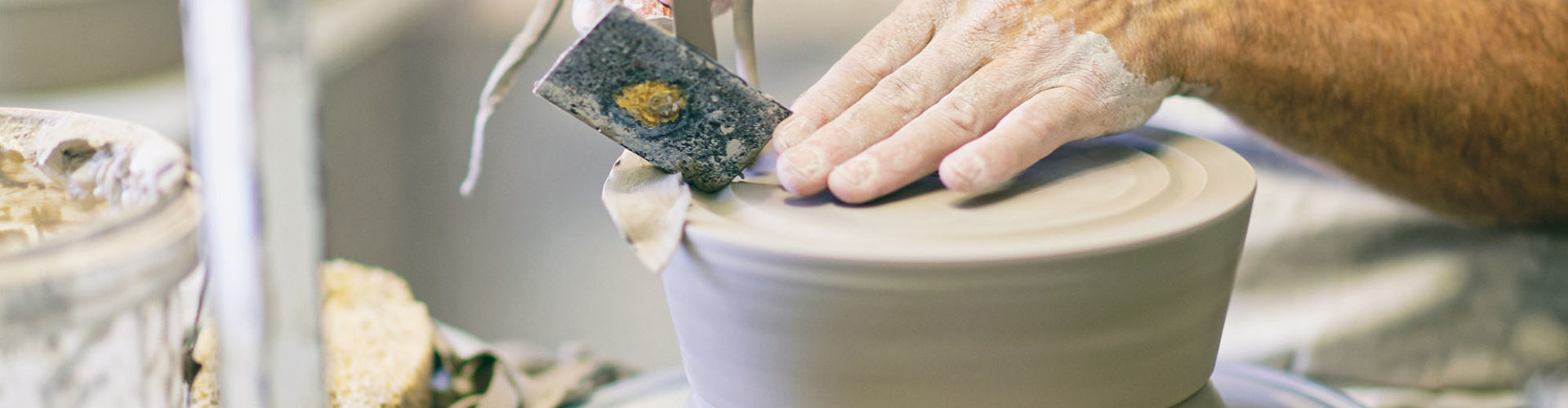
Pottery is not simply a tourist theme in Vallauris. It is part of the town’s economic and artistic identity. From the late nineteenth century and especially during the twentieth century, potters, ceramicists, workshops and artists made Vallauris known far beyond the French Riviera.
Pablo Picasso gave this tradition international visibility. His meeting with Suzanne and Georges Ramié of the Madoura workshop in 1946 marked the beginning of an important period of ceramic production. Picasso later settled in Vallauris and created numerous works here.
What can you see in Vallauris Old Town?
The historic centre is easy to explore on foot. Start with the château, now home to the National Picasso Museum, the Magnelli Museum and the Ceramics Museum. Picasso’s monumental War and Peace is displayed in the former chapel.
Continue through the centre to discover shops, workshops, ceramics and reminders of the town’s artistic history. The Pottery Museum also offers an insight into traditional production methods and techniques.
How much time should you allow for Vallauris?
Half a day is enough for a first introduction to the town centre, museums and ceramic heritage. If you want a more relaxed visit and also want to reach the coast, allow a full day.
This makes it possible to combine a cultural morning in Vallauris with an afternoon in Golfe-Juan, part of the same municipality but with a very different seaside atmosphere.
Vallauris and Golfe-Juan: two sides of the same destination
The municipality is officially Vallauris Golfe-Juan, but the two areas have distinct identities. Vallauris, slightly inland, is centred on ceramics, Picasso, museums and the historic town.
Golfe-Juan faces the Mediterranean and offers beaches, harbours, restaurants and seaside walks. Staying several days at Port d’Attache therefore makes it easy to alternate cultural visits, swimming and Riviera excursions.
What should art lovers see in Vallauris?
Picasso is the best-known name, but he is not the whole story. The château museums also bring together works by Alberto Magnelli and important ceramic collections, while local workshops and exhibitions continue the artistic tradition.
What can you visit around Vallauris?
Vallauris is particularly well located for exploring this part of the French Riviera. Golfe-Juan is the natural continuation towards the sea.
Nearby, spend another day in Antibes and Cap d’Antibes, discover the village and galleries of Mougins, visit Biot, or head to Cannes, La Croisette and Le Suquet.
Where to stay when visiting Vallauris?
Port d’Attache is located directly in Vallauris, making it a natural base for discovering the town, its Picasso and ceramics heritage, and nearby Golfe-Juan.
By staying several nights in the same place, you can also explore Cannes, Antibes, Mougins and Biot, before returning to the quieter setting of the villa and its swimming pool.